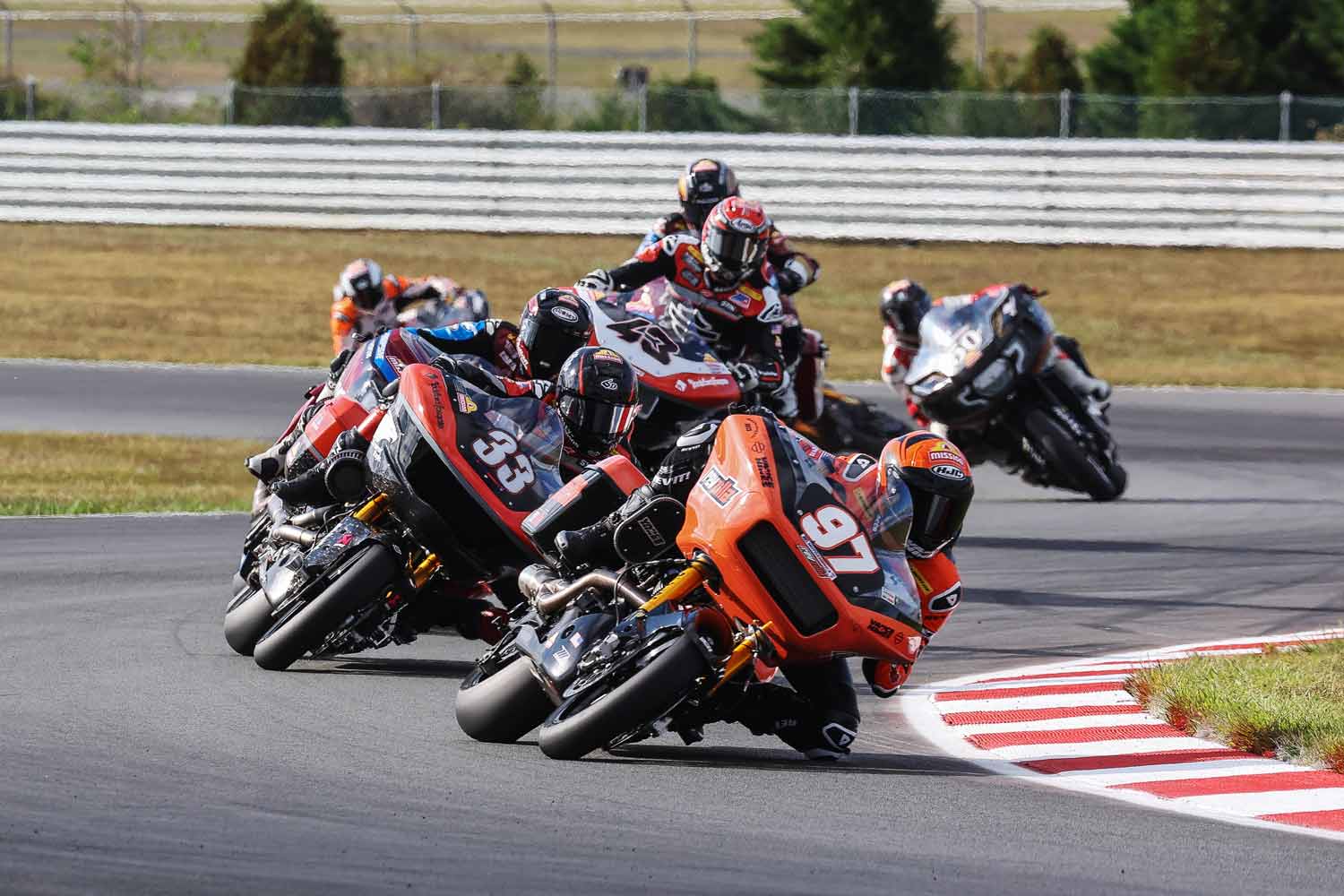
When the MotoGP season ends, the paddock goes quiet. There are no door-to-door races, no weekly drama, no qualifying anticipation. The sport enters a long period of silence — yet fan curiosity does not disappear.
It grows.
This is the most overlooked window in motorsport marketing.
Fan attention is high, but content volume is low.
There is space. There is appetite. And no one is filling it properly.
This creates a unique opportunity for brands who become team partners.
1. When teams stop publishing, brands can take the spotlight
During the race calendar, content is constant and competitive: every team, sponsor and channel fights for visibility inside the same weekend cycle.
But in the off-season, attention is not divided.
There is room to lead.
If a partner brand steps in and produces content with the team — documentaries, training insight, engineering access, rider routines — they are not competing against the sport.
They become the voice of it.
The offseason is not a dead zone.
It is a quiet room waiting for someone to speak first.
2. Off-season content creates stronger storytelling than race highlights
Race weekends are short lived. Stories burn fast.
A highlight clip lasts 48 hours. A podium post lasts 24.
But off-season content builds narrative depth:
it shows preparation, development, identity and humanity.
Examples of brand-led content that work:
• Pre-season training series hosted by a fitness partner
• Workshop and bike-build episodes co-produced with a technical sponsor
• Documentary content on rider preparation supported by a performance brand
• Data-driven breakdowns with tech partners showing innovation evolution
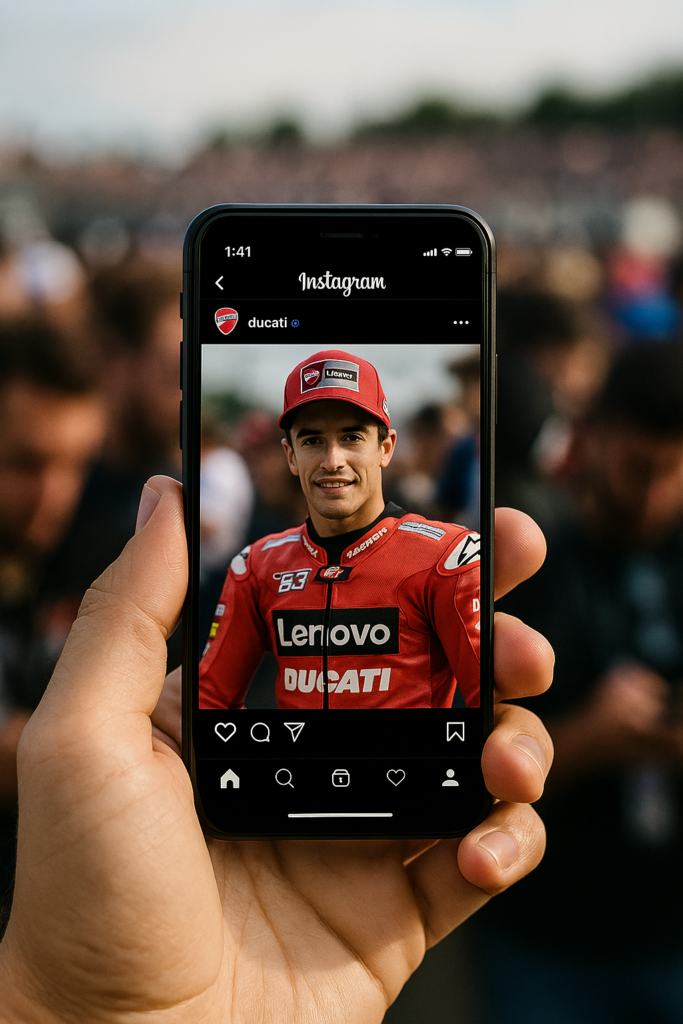
• Team access stories — design, development, strategy — powered by a title partner
This type of content answers what fans wonder most:
What happens when the cameras are off?
And whichever brand provides that answer becomes memorable.
3. Partnership activation becomes easier when competition noise disappears
During the season, brands must fight against race results, livery changes, podium tension and news cycles. Even great campaigns can get lost in the race-weekend storm.
In the off-season, fans are not scrolling for results — they are searching for stories.
A brand that activates here controls the frame:
• No event-driven noise
• No timeline dominance from race broadcast
• No visual overload
• No attention split
Instead of competing for space, the brand owns the space.
This is the moment where one sponsor can become the most visible partner in the team ecosystem — even more than during competition.
4. Off-season leadership positions a brand as a long-term stakeholder
Most sponsors appear visible only during races.
Visibility fades when bikes stop running.
But a brand that drives the conversation when racing pauses signals something different:
It shows commitment, not transaction.
Partnership, not placement.
Integration, not logo rental.
Fans notice. Teams notice. Industry notices.
Off-season leadership builds perception of a brand as a core part of the program, not an external sticker. It elevates them from sponsor to contributor.
5. The value exchange becomes stronger for everyone
When brands activate during the winter, everybody wins:
Team
• More content during low-visibility months
• Stronger year-round fan engagement
• Better platform for commercial renewals
Brand
• Higher share of voice
• Exclusive association with key storytelling
• Greater emotional ownership of rider/team narrative
Fan
• Access to stories they normally never see
• A reason to stay connected beyond Sunday racing
• Continuous relationship instead of seasonal anticipation
A silent off-season is wasted potential.
A brand-powered off-season is a commercial advantage.
Conclusion
MotoGP does not disappear in the off-season — only the conversation does.
And in a digital era, the one who controls the conversation controls the value.
Brands that step up and create content with teams during the offseason will capture attention that is impossible to own once engines start again.
This is not just marketing.
It is positioning.
It is memory.
It is leadership.
In the months when everyone is waiting, one brand can speak — and the entire fanbase will listen.