MotoGP presents itself as a global championship, but its manufacturer structure remains strongly rooted in a limited number of industrial geographies. This geographic concentration is not simply technical; it directly influences sponsor confidence, commercial narratives and the way brands evaluate long-term investment in the championship.
As corporate growth, consumer demand and brand investment continue to shift toward Asia, understanding how manufacturer geography affects sponsorship dynamics becomes increasingly relevant — not only to explain the current grid, but also to interpret emerging strategies from brands already operating inside the MotoGP ecosystem, such as CFMOTO.
1) The Current Manufacturer Landscape: A Concentrated Global Map
At manufacturer level, modern MotoGP is built around a small number of industrial hubs:
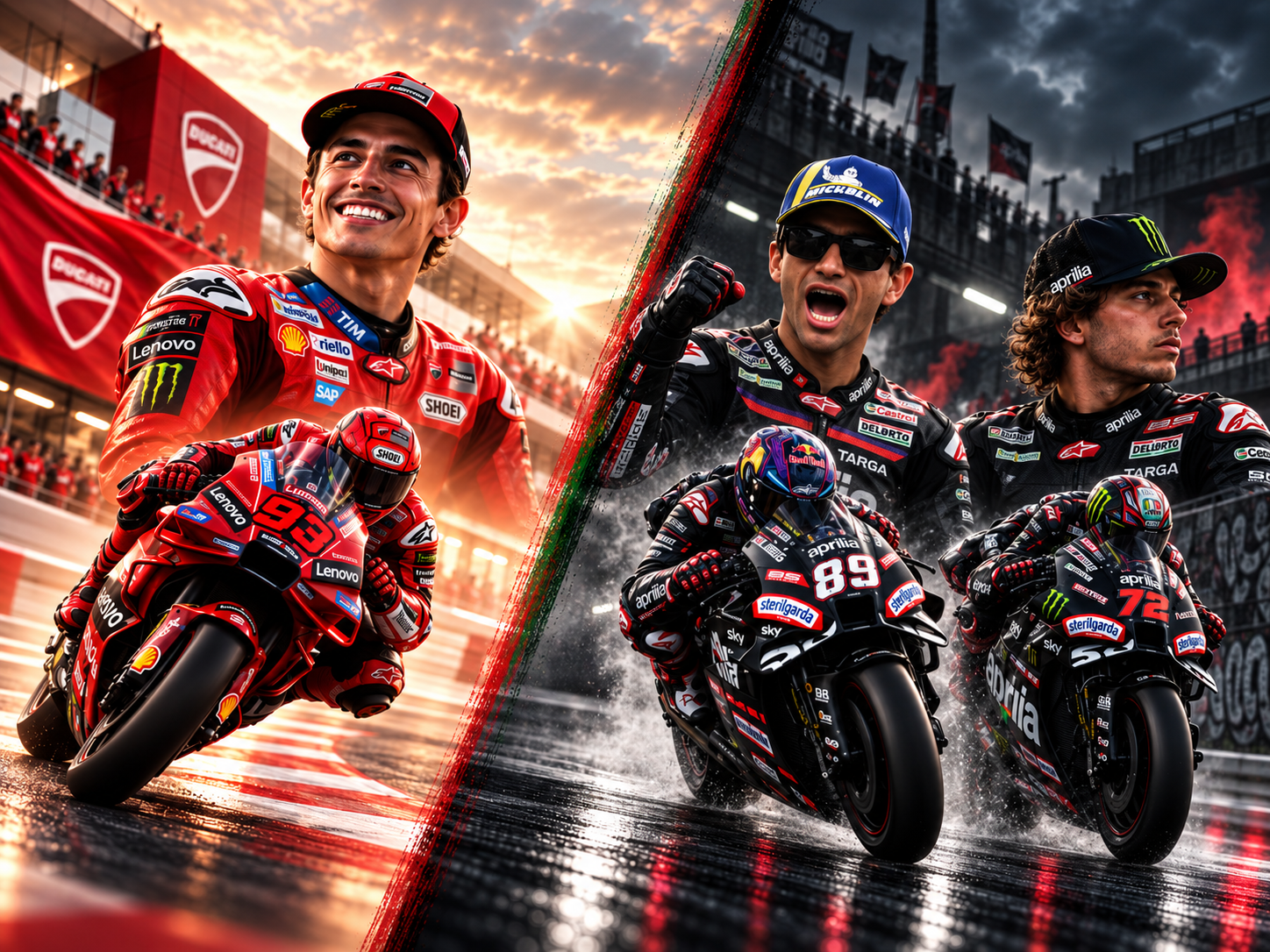
- Italy: Ducati, Aprilia
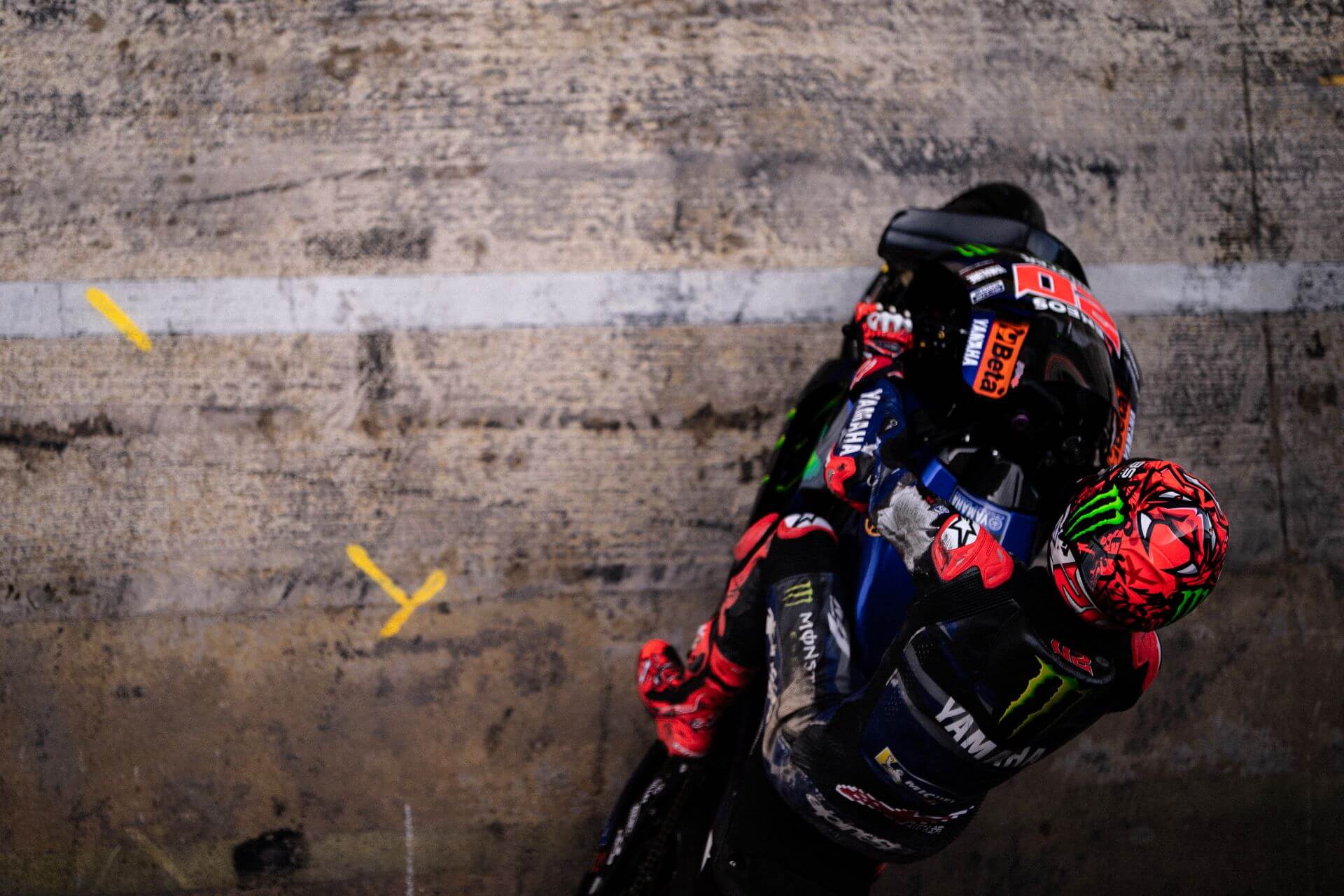
- Japan: Honda, Yamaha
- Austria: KTM
Despite MotoGP’s global calendar, this structure reflects a deep concentration of engineering expertise, supplier networks and racing culture in Europe and Japan. Even Japanese manufacturers base much of their racing operations in Europe, reinforcing the championship’s European operational gravity.
This stability benefits competition, but it also defines the commercial environment in which sponsors operate.
2) Why Manufacturer Geography Matters to Sponsors
Sponsors do not enter MotoGP purely for visibility. Manufacturer origin influences sponsorship decisions in three key ways.
Market alignment
Many brands use MotoGP as a bridge between regions. Asian-based companies, in particular, often view MotoGP as a platform to:
- build credibility in Europe
- support international distribution
- position themselves as global premium brands
Manufacturer geography can make this transition feel more natural and reduce perceived risk at board level.
Narrative compatibility
Each manufacturing culture carries an implicit narrative:
- Japanese OEMs are associated with reliability, process discipline and long-term engineering excellence
- Italian manufacturers emphasize emotion, design, speed and racing heritage
- Austrian narratives focus on performance edge and challenger mentality
Sponsors do not simply place logos — they integrate into these narratives. Manufacturer origin provides the storytelling framework within which partnerships are activated.
Trust and risk perception
For corporate stakeholders unfamiliar with motorsport, established manufacturing geographies act as a shortcut for credibility. This is particularly important in a high-cost environment such as MotoGP, where sponsorship decisions must be justified internally.
3) The Shift in Sponsorship Capital Toward Asia
While manufacturer presence remains concentrated, sponsorship capital is increasingly originating from Asia. This is visible across title sponsorships, team partnerships and launch strategies.
What is changing is not only where investment comes from, but how sponsors expect to participate. Many Asian brands are less interested in race-weekend-only exposure and more focused on:
- long-term brand building
- content ownership
- community engagement
- progressive integration into the sport
This evolution does not automatically lead to new manufacturers entering MotoGP, but it does encourage step-by-step strategies rather than immediate, high-risk commitments.
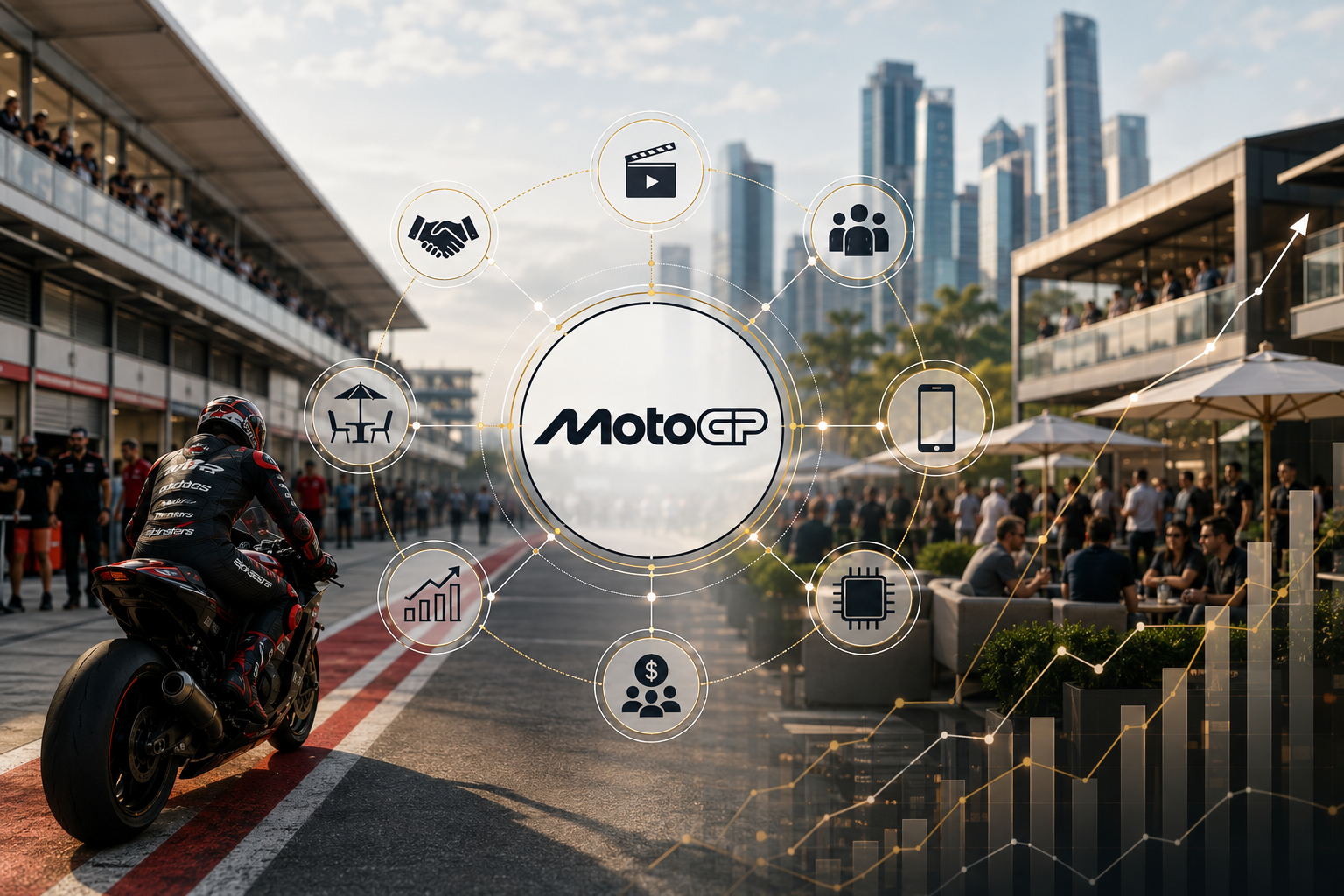
4) Ecosystems Over Exposure: How Brands Learn MotoGP
Sustainable involvement in MotoGP is rarely built through isolated sponsorships. Instead, it emerges from ecosystemsthat extend beyond race weekends.
Teams operating across multiple categories, supported by training environments and development programs, offer brands the opportunity to:
- understand rider progression
- observe competitive culture
- learn operational rhythms
- experiment with activation models
In this context, Moto3 and Moto2 partnerships function as learning platforms, allowing brands to integrate gradually while building credibility.
5) CFMOTO as a Relevant Case Study of Progressive Integration
CFMOTO represents a clear example of this ecosystem-based approach.
The brand is already a partner of the Aspar team in the Grand Prix paddock, gaining exposure to international competition while participating in a structured racing environment. Aspar operates across categories and owns key development assets, including its own circuit and riding school, which play a central role in rider training and long-term sporting culture.
While these assets belong to Aspar, not CFMOTO, their existence strengthens the partnership’s strategic value. They allow CFMOTO to observe how talent is developed, how racing organizations function beyond MotoGP, and how competitive identity is built over time.
Rather than pursuing immediate factory ambitions, CFMOTO’s current positioning suggests a measured learning path— one that prioritizes understanding the ecosystem before deciding how far to extend its involvement at the highest level.
6) What This Means for MotoGP and Sponsors
CFMOTO’s presence in the paddock highlights a broader commercial trend.
Asian brands are increasingly seeking:
- leadership roles rather than passive exposure
- long-term credibility rather than short-term visibility
- integration into racing culture rather than symbolic association
For MotoGP, this creates opportunities to diversify its commercial base while maintaining the stability of its manufacturer structure. For sponsors, it reinforces the value of progressive engagement models that reduce risk and increase strategic alignment.
Conclusion
MotoGP manufacturers remain geographically concentrated in Italy, Japan and Austria, and this concentration continues to shape sponsor confidence and narrative frameworks.
At the same time, sponsorship gravity is evolving. Brands like CFMOTO, already embedded within structured racing ecosystems, illustrate how new industrial players can approach MotoGP thoughtfully — not by forcing immediate top-level entry, but by building understanding, credibility and systems over time.
In modern MotoGP, manufacturer geography still anchors the sport’s identity. But it is sponsorship strategy, ecosystem thinking and patience that increasingly determine where future commercial gravity will move.
Apex takeaway:
In MotoGP, manufacturers define the industrial backbone — but brands that learn the ecosystem before trying to lead it are the ones most likely to shape the future.